


Sail in style on a holiday exclusively for adults
Explore more on Destinations

Why visit one island when you can visit four? Find your perfect match on a P&O Cruises holiday to the Canary Islands and Madeira

Nothing beats island-hopping. It’s like embarking on a series of holiday romances: the intensity of the moment, the pang of departure and the sweet anticipation of a thrilling new encounter. On a Canary Islands fly-cruise, you can expect to be seduced by the sun, sand (of all colours) and sea – but don’t be surprised when you discover a deeper experience full of rich history, architectural and cultural treasures, unique landscapes and myriad natural wonders. Forget the flirting – scratch the surface and you’ll fall for these island charmers hook, line and sinker.
Tenerife holidays combine the old and the new. The island’s rich trading history is evident in historic cultural hubs Santa Cruz de Tenerife (the lively capital), former capital San Cristóbal de La Laguna (don’t miss the merchants’ houses with their ornate doors and courtyards) and La Orotava with its exquisite carved balconies, elegant squares, terraced gardens and lofty ocean vistas. However, the island’s history and traditions are embracing the future.
At historic winery Bodegas Monje, Felipe Monje is putting Tenerifian wine on the map in new ways while in the capital, architect Santiago Calatrava has elevated the island’s proud musical heritage with the Auditorio de Tenerife. With a late call, this is a wonderful spot to enjoy an aperitivo as the sun sets.
To experience Tenerife’s wild beauty and the power of the Atlantic, cross the north-east’s mountains to join the surfer set at Playa del Roque de las Bodegas. Marvel at empty beaches, dramatic cliffscapes and surfers riding perfect rollers, then refuel at Casa Africa, where you’ll be welcomed with morning barraquito coffees and pastries and a lunch menu of exceptional fresh fish.
Shore experience you might like: Tenerife Wine & Tapas

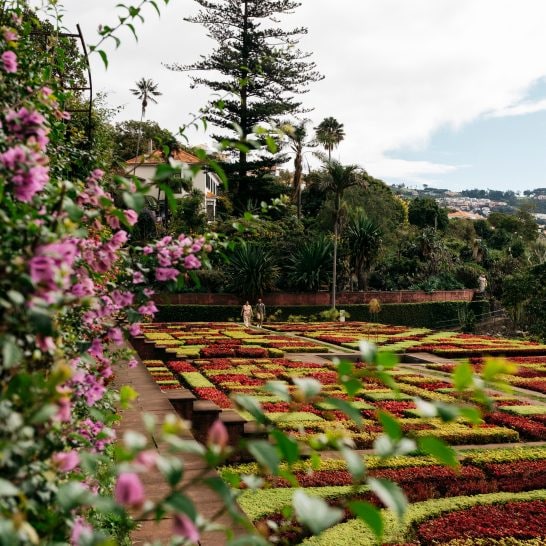
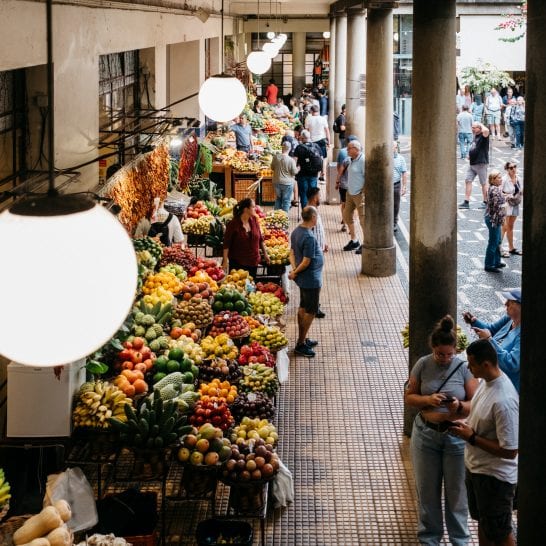
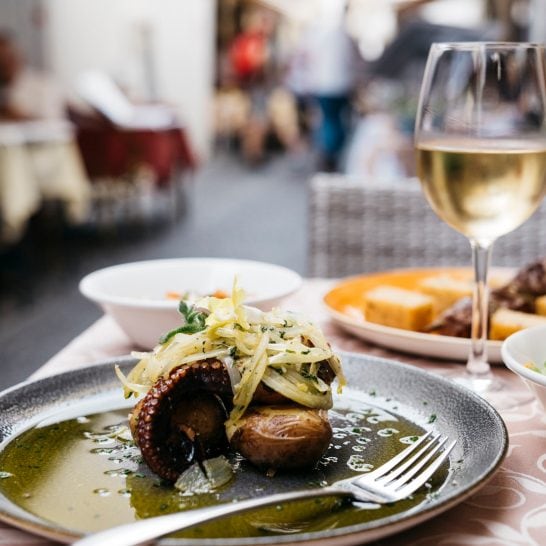
Madeira is one of our most visited and most loved ports for a reason – or should we say, several reasons.
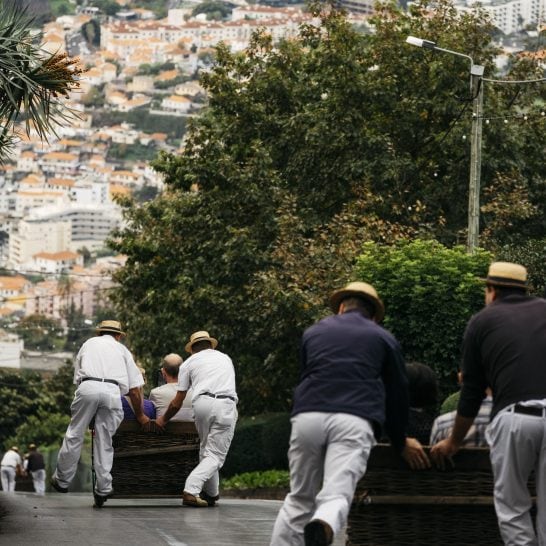
For one, there’s its natural beauty and the dozens of viewpoints from which you can take it all in. One of our favourites is Ponta de São Lourenço on the eastern shore. From its russet-red, lunar-like surface, you’ll get a unique look at both the north and south coasts of Madeira. Or for views that change by the second, take the cable car from the centre of Funchal up to the village of Monte, then head back down to sea level on the iconic wicker toboggans.
Back on solid ground, the Old Town, or Zona Velha, is the place to soak up the energy and history of Funchal. As you stroll along Rua de Santa Maria, keep an eye out for the painted doors, an initiative brought in by the city that has breathed new life into what was once an impoverished area.
Funchal is full of things to see and do, but to miss the rest of the island is to miss some of the most unforgettable experiences on the planet. The north coast is known for its dramatic scenery and fantastic surf – visit coastal towns such as Santana and Porto da Cruz and you’ll soon understand why Madeira is often called the Hawaii of Europe.
The island’s interior is just as striking. Running through its lush forests like arteries are the levadas, some 3,000km of irrigation channels. The paths alongside them form a network of hiking trails that range from refreshing jaunts to full-day hikes. The Vereda dos Balcões is a great place to start – an easy stroll that brings you to a viewpoint where the drama of the Laurissilva Forest is on full display.
Shore experience you might like: Sunset Cruise

Las Palmas de Gran Canaria is a buzzy city with a great beach (Las Canteras), fantastic restaurants and excellent shopping. Yet the sedate old quarters of Vegueta and Triana take you back in time with their historical splendours. Don’t miss Santa Ana Cathedral and plaza (with its eight dog statues), and Ermita de San Antonio Abad (the modest little church where Columbus prayed before sailing for the Americas).
Teror is one of the oldest and loveliest towns in the Canaries. It’s steeped in religious heritage (the Virgin Mary was said to have appeared here in 1481 and it was declared a pilgrimage town soon after) and boasts a fine church in a pretty square, historic balconies, cobbled streets, noble family houses, markets and tasty local delicacies – try the shortbread from the Cister convent, or sample the chorizo sausage.
Not to be outdone, Arucas’s neo-Gothic church of St John the Baptist can be seen for miles and is well worth seeing up close. While in Arucas, divert to Jardín de la Marquesa. Here you’ll find peace, peacocks and myriad varieties of palms, cacti, flora and trees.
Shore experience you might like: Volcanic Hike & Wine Tasting

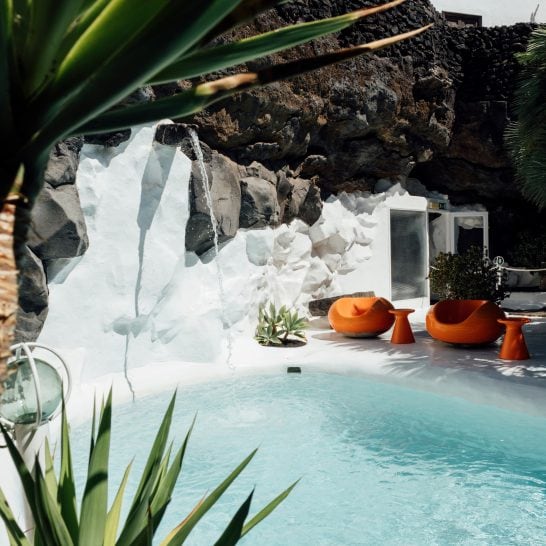
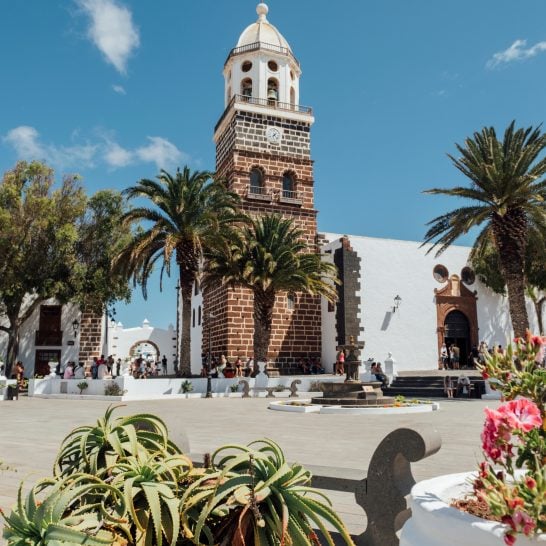
Thanks to artistic visionary and environmentalist César Manrique, Lanzarote is the most visually striking of the Canary Islands. His uncompromising efforts to protect its cultural and natural heritage in the face of the rampant tourism development of the 1960s and 1970s have paid off and his influence infuses the island. Pristine white low-rise buildings with blue (by the coast) or green (in the interior) windows strike poses against the blacks, greys and oranges of the volcanic terroir. There are museums, foundations, roundabouts, lookouts, concert halls and gardens created by or dedicated to the local hero.
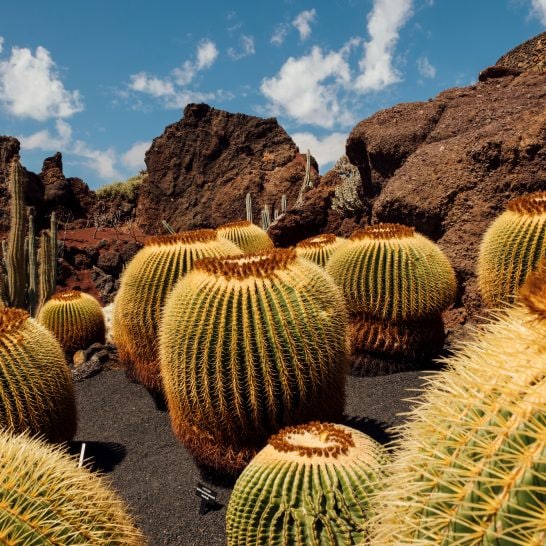
Feel his force at Fundación César Manrique (his former home, built in five lava bubbles and incorporating a fig tree), at the striking performance space Auditorio de los Jameos del Agua, and at LagOmar Museum (actor Omar Sharif’s former home), where art and nature marry in glorious harmony. The otherworldly Jardín de Cactus, home to 4,500 prickly specimens, was Manrique’s final and favourite project. Created to regenerate a neglected agricultural area, it was his last gift to the island before he died in a car crash in 1992.
The island’s volcanic landscapes are equally striking. On a holiday to Lanzarote you can go on a Mars-esque odyssey in Timanfaya National Park; admire El Golfo’s bold masterpiece of geological contrasts; visit striking geothermal salt pans at Salinas de Janubio and travel through the dramatic landscapes of wine-making area La Geria, where vines are cultivated in low-walled pits in the mineral-rich earth.
Shore experience you might like: Mountain of Fire

Explore more on Destinations
.jpg.image.492.492.low.jpg)
Sail in style on a holiday exclusively for adults

Find out what’s new at P&O Cruises

Historic destinations in the Mediterranean

Award-worthy destinations: Your winners

What's new for Summer 2028

Sail along with Arcadia’s 2026 World Cruise

Paul Ludlow: 2026 Caribbean adventures, BAFTA excitement and much more

Most picture perfect places in the Norwegian Fjords

Most picture perfect places to visit in Spain and Portugal

5 sense-sational holiday experiences

What's new for winter 27/28

Discovering Scandinavia

Set your sights on Central and Northern Italy

Set your sights on Southern Italy

Caribbean beyond the beach

A taste of Barbados

We're off to a flying start with Norse Atlantic

Highlights of our 2027 summer holidays

Follow Arcadia around the world

You're invited to pop by...

Your travel bucket list

Loyal P&O Cruises guest? Welcome to the club

The 2027 Round World Cruise by numbers

Explore long-duration New England and Canada cruises

Caribbean honeymoon destinations for sun-lovers

Our new winter 2026/27 holidays are here

Celebrate with Britannia

Paul Ludlow shares all the latest

Set your sights on… Australia, New Zealand and the South Pacific
of
Don’t miss out! Sign up for latest news, offers and competitions from P&O Cruises.


